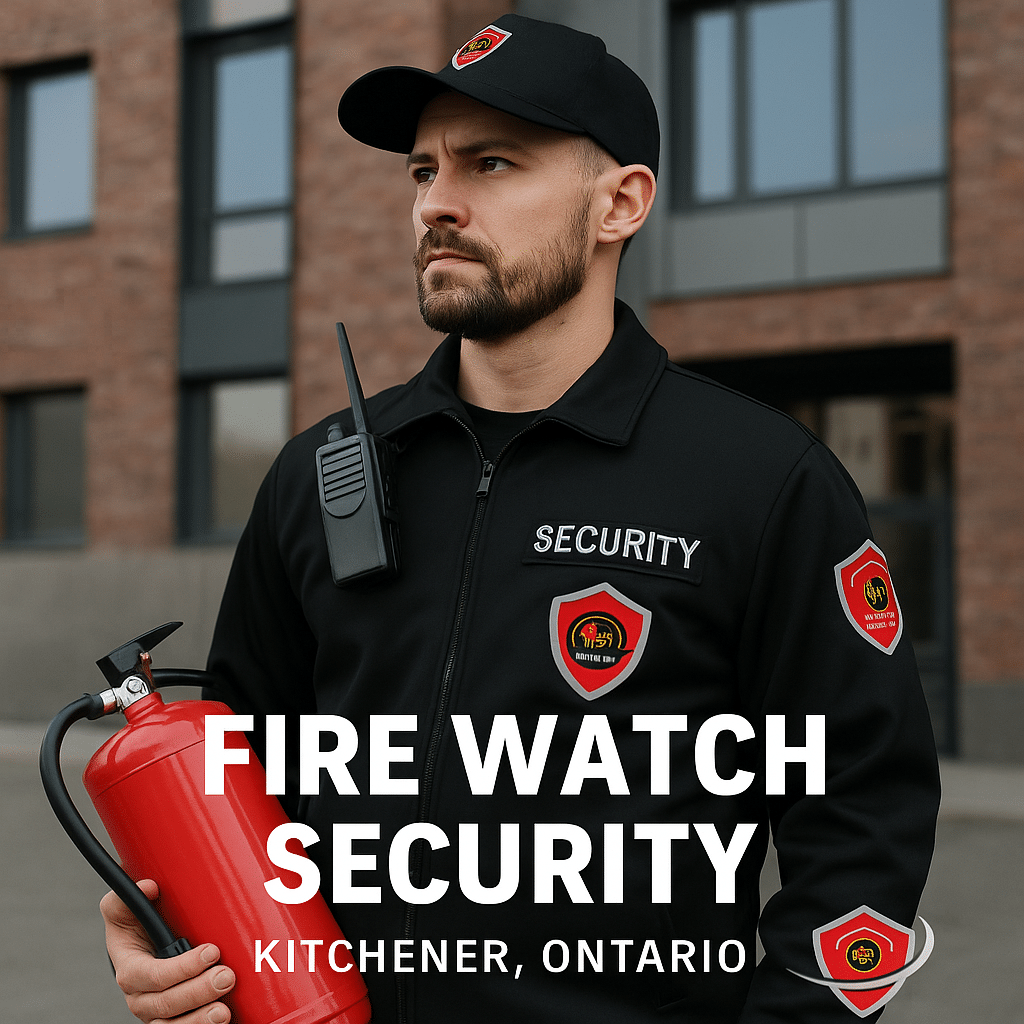
Fire Watch Security in Edmonton: When It’s Required, What Guards Do, and How to Stay Compliant
When a fire alarm panel is down, sprinklers are offline, or a building is undergoing hot work, Edmonton property managers and contractors often need a fast, documented solution to reduce risk. That’s where fire watch security comes in.
Fire watch is a dedicated on-site presence focused on early detection, prevention, and rapid escalation of fire-related hazards—supported by clear patrol logs and incident reporting. Below is a practical guide to when fire watch is typically required, what fire watch guards do, and how to book coverage quickly in Edmonton.
What is fire watch security?
Fire watch security is a temporary safety measure used when a building’s fire protection systems are impaired or when conditions increase fire risk. A trained guard (or team) conducts scheduled patrols, monitors high-risk areas, watches for smoke or heat sources, checks that exits remain clear, and escalates immediately if a hazard is detected.
Fire watch is commonly used to:
- Reduce risk while fire systems are offline
- Provide documented patrols and observations
- Support site safety plans during construction or renovations
- Help maintain operational continuity until systems are restored
When is a fire watch required in Edmonton?
Requirements can vary depending on the site, insurer, authority having jurisdiction, and the nature of the impairment. In practice, fire watch is often requested or required when:
- Fire alarm systems are offline
- Panel failure, maintenance, upgrades, or power issues
- Sprinkler systems are impaired
- Valves closed, repairs underway, frozen lines, or system testing
- Construction or renovation increases risk
- Dust, temporary barriers, open ceilings, and changing egress routes
- Hot work is being performed
- Welding, cutting, grinding, torching, roofing, or other spark-producing work
- Insurers require additional monitoring
- Fire watch is sometimes mandated to keep coverage in place during impairments
- Occupancy or vulnerability is high
- Multi-unit residential buildings, healthcare, senior homes, or high-traffic commercial sites
If you’re unsure whether your situation calls for fire watch, the safest approach is to document the impairment, confirm expectations with your insurer or site safety lead, and deploy coverage until systems are restored.
What does a fire watch guard do?
A professional fire watch guard’s job is not just “standing by.” The role is active, repetitive, and documentation-heavy. Typical duties include:
- Scheduled patrols of designated areas (interior and/or exterior)
- Monitoring high-risk zones (mechanical rooms, electrical rooms, storage areas, hot work zones)
- Checking for hazards such as smoke, unusual heat, blocked exits, improper storage, or unsafe temporary wiring
- Verifying access and egress remain clear (stairwells, corridors, emergency exits)
- Enforcing basic site rules related to fire risk (where applicable and within post orders)
- Immediate escalation when a hazard is found (site contact, emergency services as required)
- Maintaining detailed logs of patrol times, observations, and actions taken
For Edmonton sites, the biggest value is consistency: regular patrol intervals, clear documentation, and a guard who follows post orders and escalation procedures without gaps.
Fire watch logs: what clients should expect
Fire watch is only as credible as its documentation. Your fire watch coverage should include a clear, consistent record of:
- Patrol frequency and timestamps
- Areas checked and observations
- Hazards identified and corrective actions taken
- Escalations and who was notified
- Incident details (if any)
These logs matter for accountability and can be important for internal compliance, insurance documentation, and post-event review.
How many fire watch guards do you need?
There isn’t a single “one-size” answer. The right staffing level depends on:
- Building size and layout (multiple floors, long corridors, parkades)
- Risk level (hot work, flammable materials, high-value assets)
- Occupancy (public-facing sites vs. closed construction zones)
- Patrol requirements (every 15/30/60 minutes, or continuous monitoring)
- Number of impaired systems (alarm, sprinklers, standpipes)
- Site access points (doors, loading bays, temporary entrances)
A practical rule: if a single guard cannot complete the required patrol route within the required interval while still monitoring critical areas, you likely need additional coverage.
Fire watch vs. standard security guard services
Fire watch is a specialized assignment with a narrow focus: fire risk monitoring and escalation. Standard security guard services may focus more broadly on:
- Access control and visitor management
- Theft prevention and deterrence
- Trespassing and vandalism prevention
- General incident response
In some cases, a single guard can perform both roles if post orders allow and the patrol requirements are realistic. In higher-risk situations, it’s better to keep fire watch duties dedicated and separate.
How to book fire watch security in Edmonton (fast)
If you need rapid deployment, you’ll get a faster quote and smoother start by preparing a few details:
- Site address in Edmonton (and any access instructions)
- Start date/time and expected end date/time
- What’s impaired (alarm panel, sprinklers, standpipe, etc.)
- Patrol frequency requirements (if specified)
- Site contact name and escalation instructions
- Any post orders, safety orientation requirements, or PPE rules
At G4U Security Ltd, we build coverage around your site risks and provide compliance-focused reporting so you have a clear record of patrols and observations.
Frequently asked questions
How quickly can fire watch guards be deployed in Edmonton?
In many cases, coverage can be arranged quickly depending on staffing availability and site requirements. If you have the impairment details and schedule ready, deployment is typically faster.
How much does fire watch security cost in Edmonton?
Pricing depends on coverage hours, staffing level, and site complexity. A single-guard overnight assignment will price differently than multi-guard, multi-floor patrol requirements.
What should be included in a fire watch log?
At minimum: timestamps, areas checked, observations, hazards found, actions taken, and escalation details. Consistency is key.
Is fire watch required when sprinklers are down?
Often, yes—especially if the impairment is significant or prolonged. Confirm expectations with your insurer or site safety lead and deploy coverage until systems are restored.
Can fire watch be combined with mobile patrol?
Sometimes. If patrol intervals and site risk allow, mobile patrol can support certain lower-risk sites. For higher-risk impairments, dedicated on-site fire watch is typically the safer option.
Need fire watch security in Edmonton?
If your fire systems are impaired or your site requires additional monitoring, contact G4U Security Ltd to discuss your risk level, required patrol frequency, and coverage hours. We’ll recommend a fire watch plan that fits your Edmonton location and provides clear documentation from day one.
Fire Watch Safety Checks & Site Monitoring (Gallery)
Security-Control-Room-Monitoring
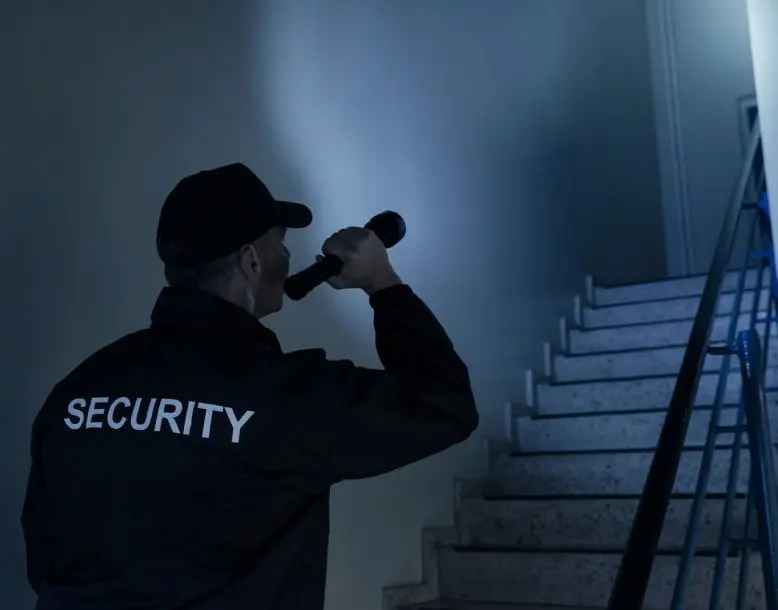
24-Hour-Watch-Guards
Fire Watch Security Officer on night duty
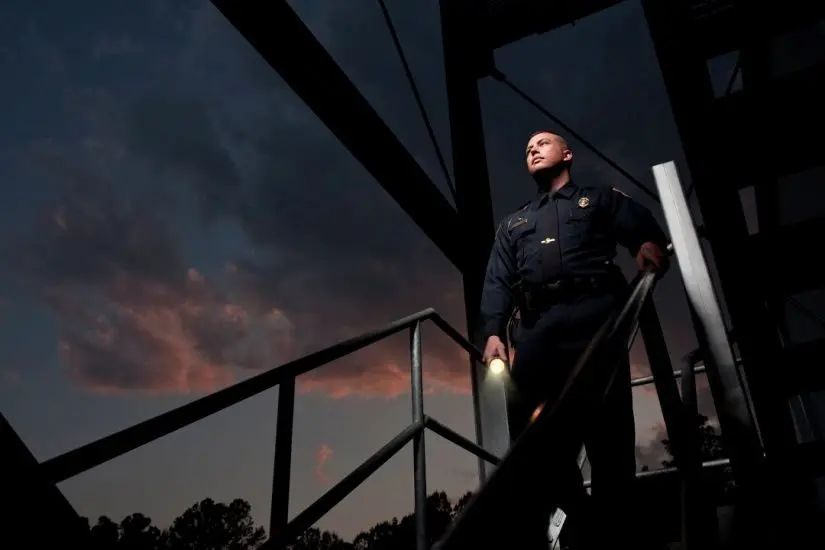
officer-on-night-patrol
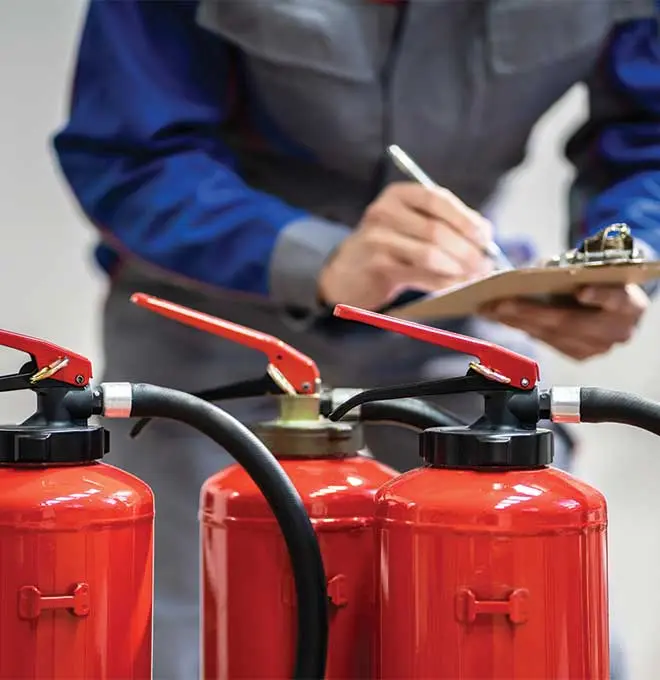
Fire-Watch-Services-image
Security-Control-Room-Monitoring
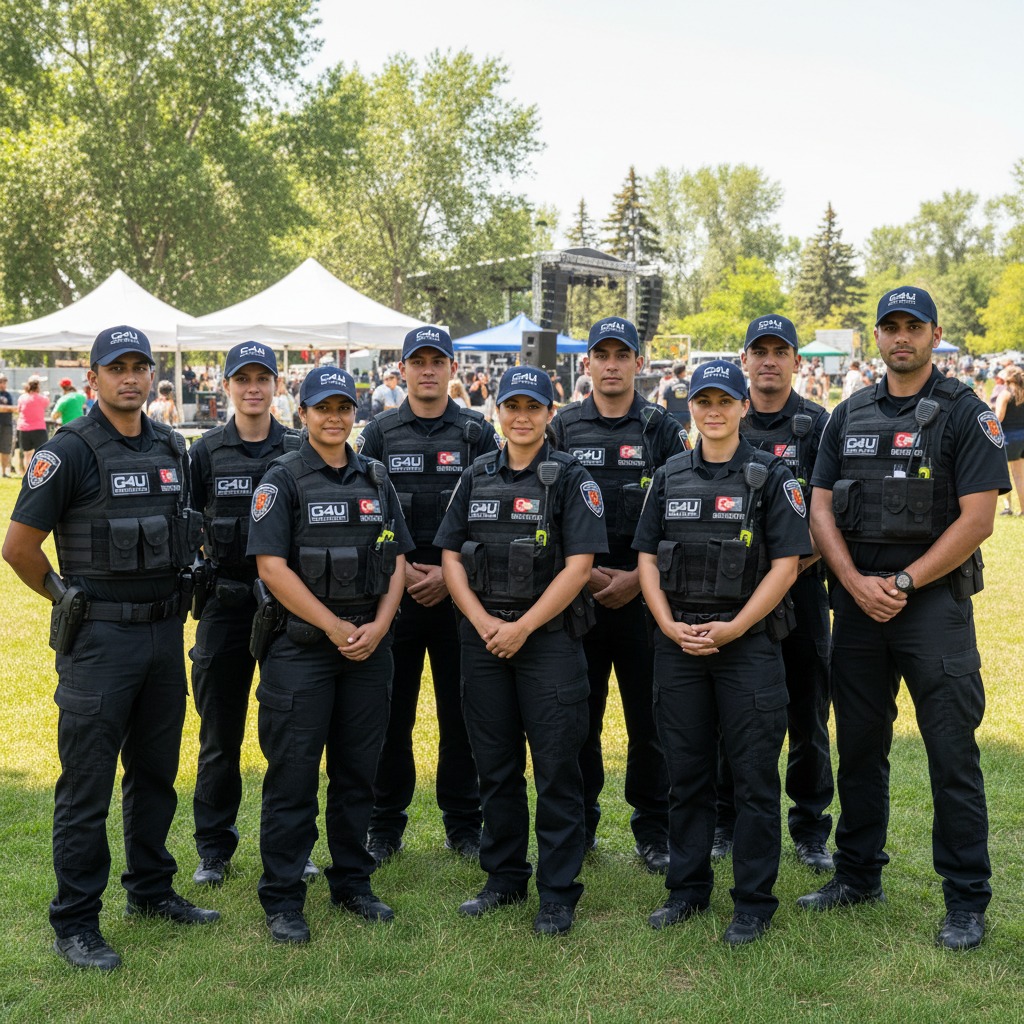
Team Security
G4U Security Team Officers
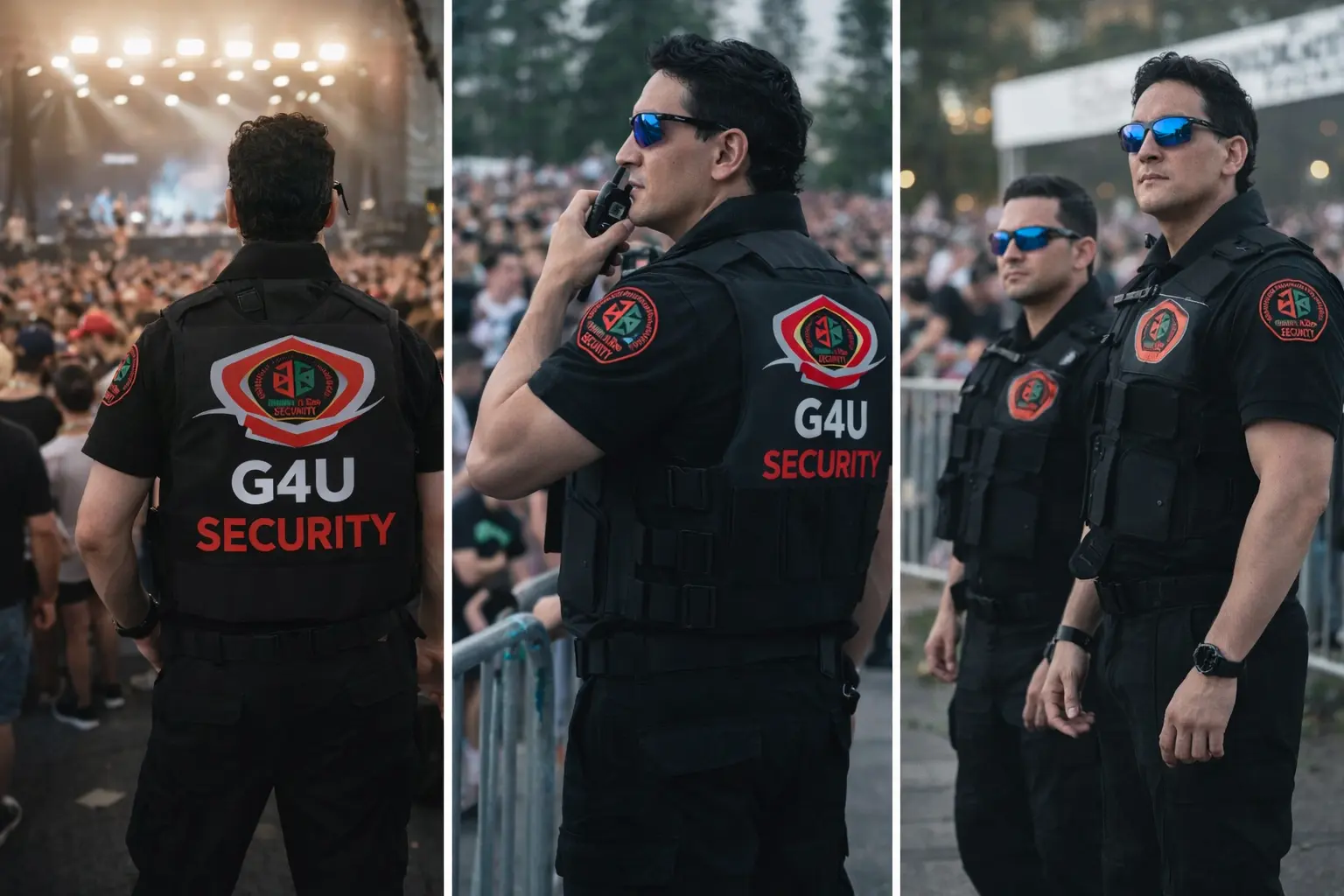
Event security at a live concert

Senior Home Security
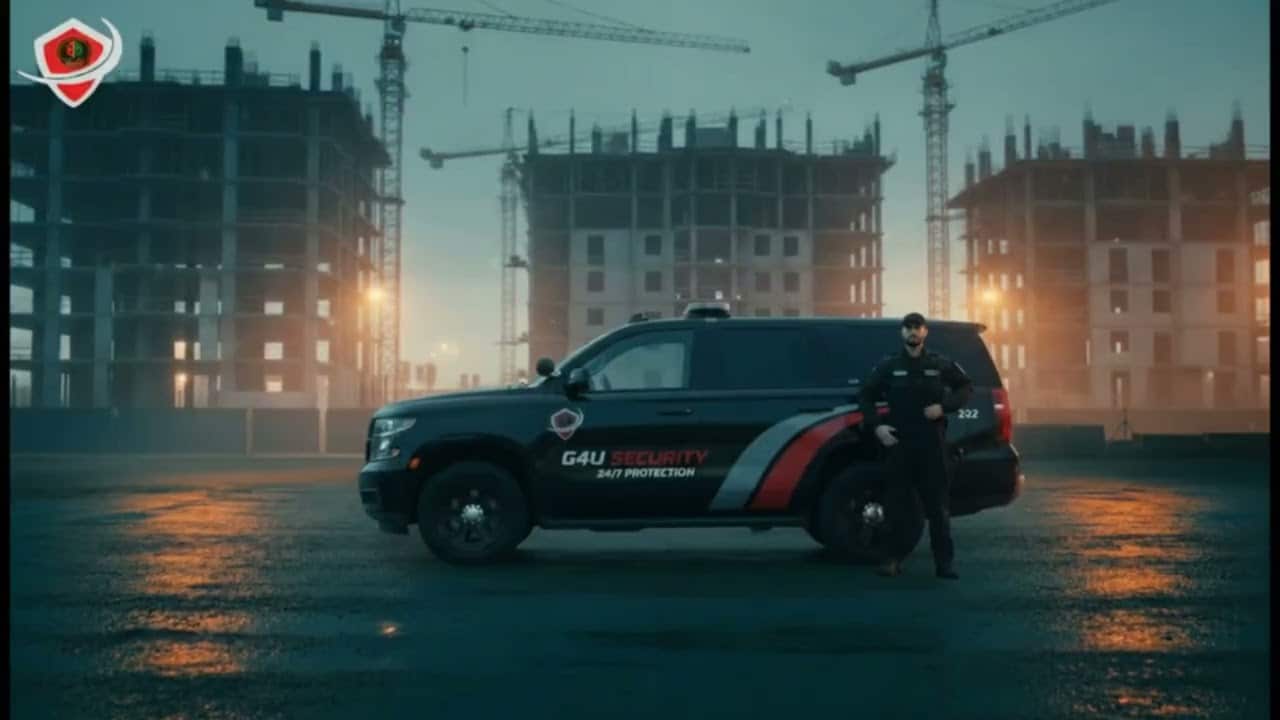
security mobile patrol
G4U Security LTD Mobile Patrol Security Edmonton
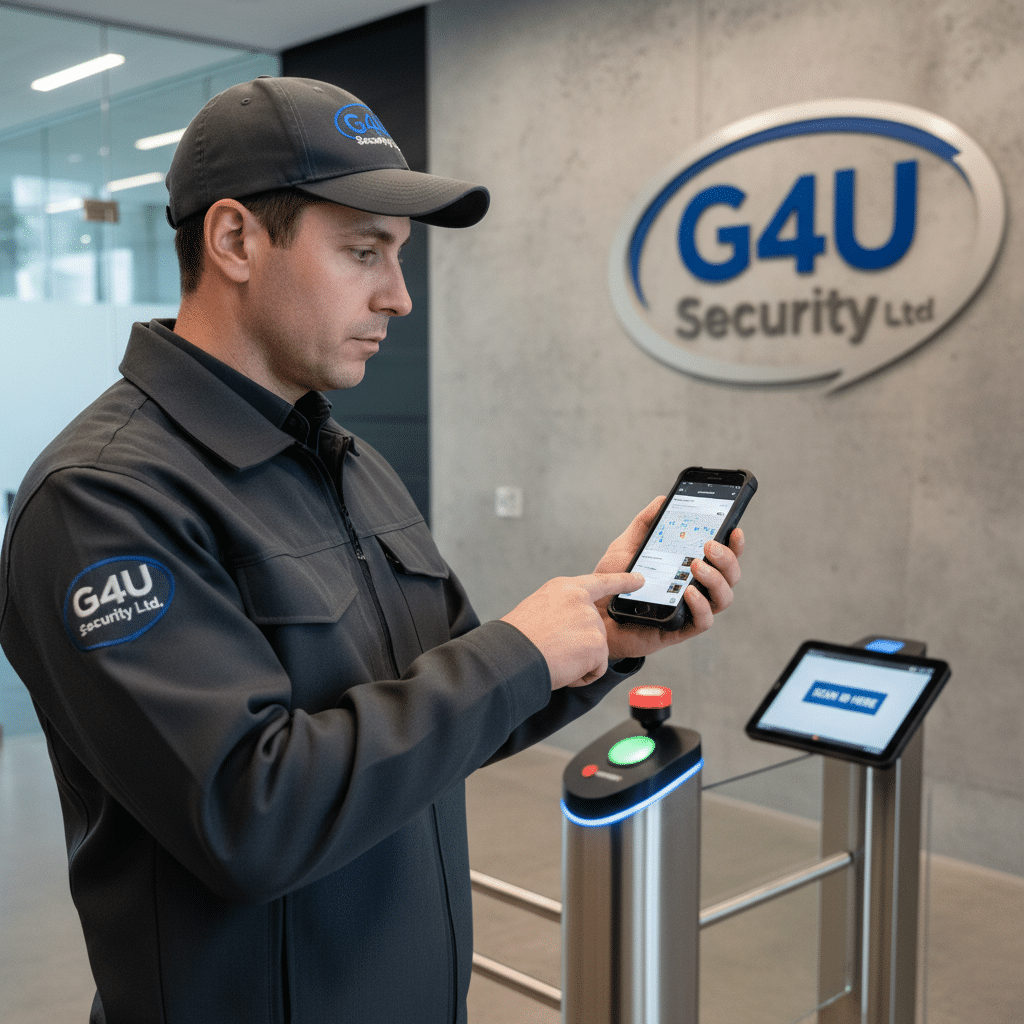
G4U Guard Using Mobile Security Software
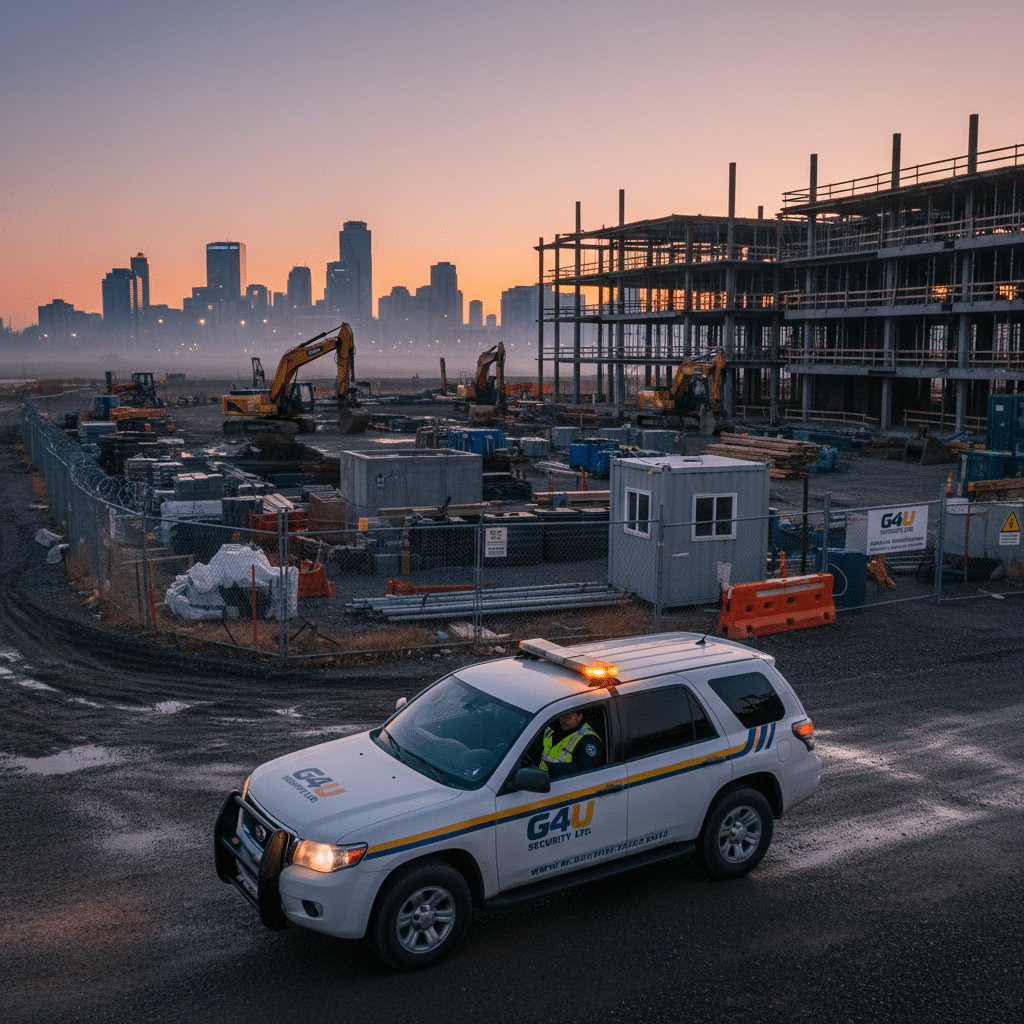
G4U Construction Site Security in Edmonton
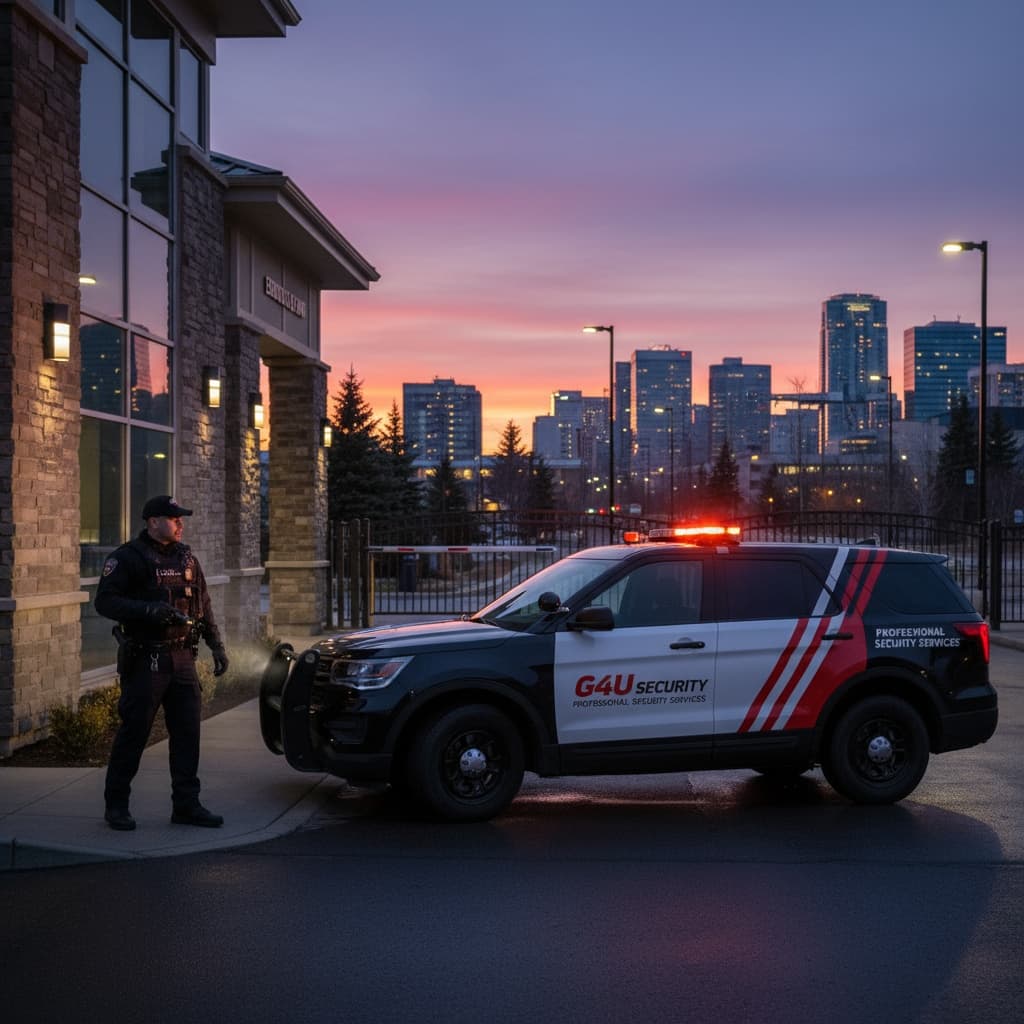
Mobile Patrol Vehicle
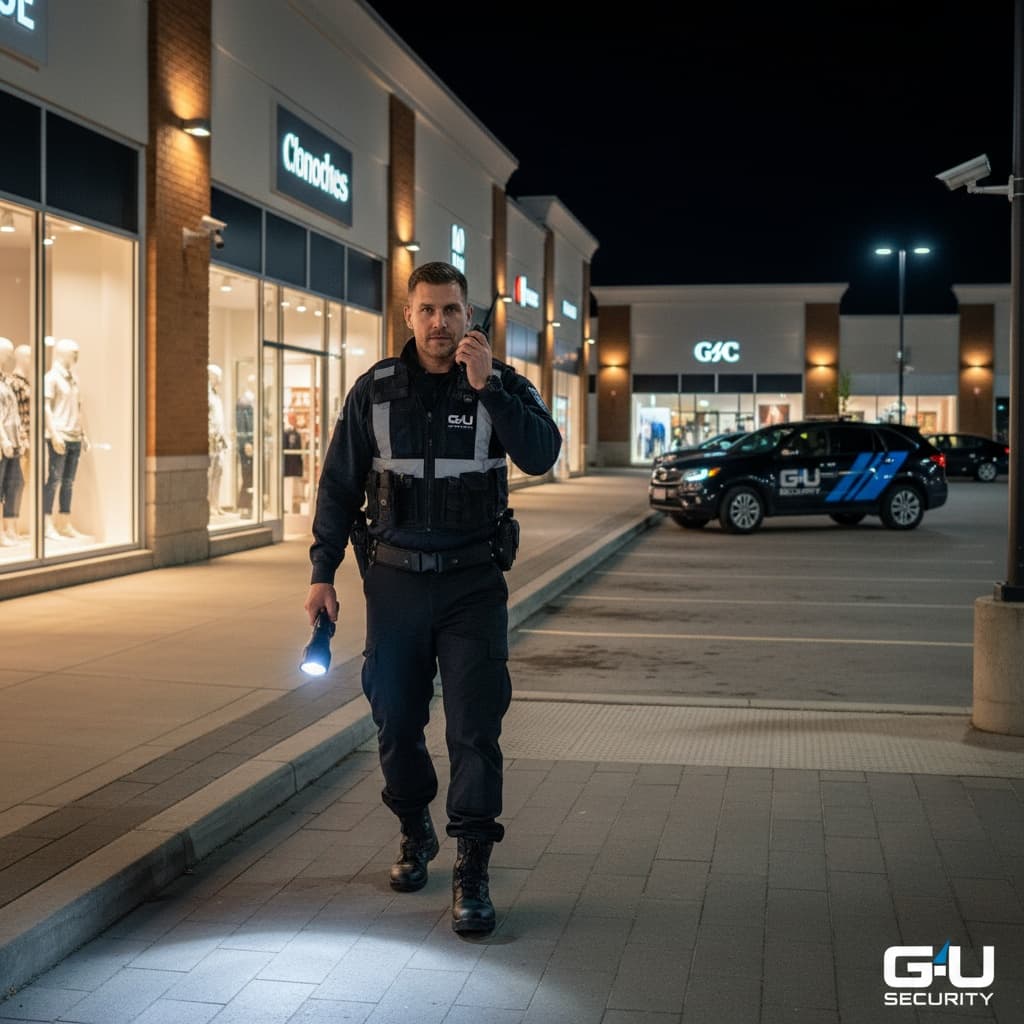
Mobile patrol for condominiums in Alberta checking exterior doors