
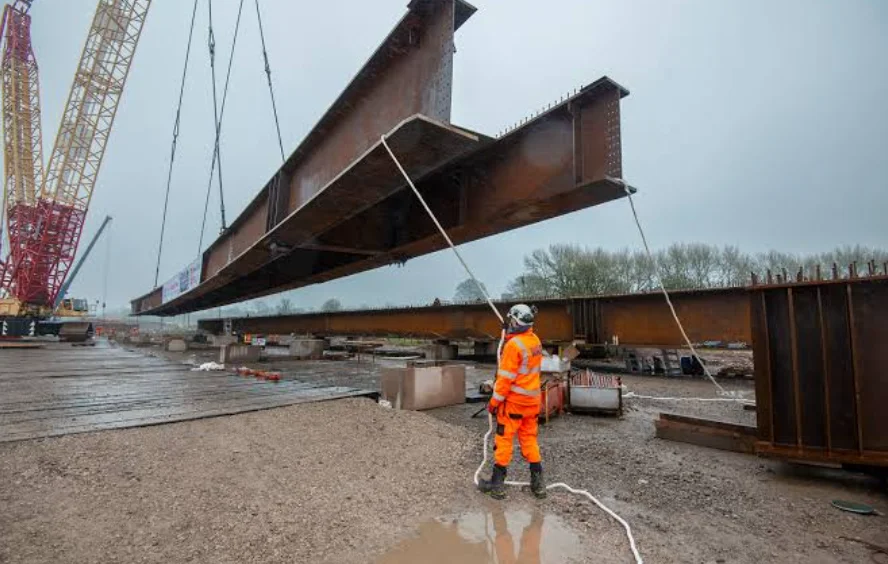
Bridge construction is one of the most demanding civil engineering activities in North America. Construction teams work in large and often challenging environments, whether the project involves a river crossing, highway flyover, or remote rail bridge.
Unlike typical construction sites, bridge projects can span waterways, busy roads, rail corridors, steep embankments, material yards, and areas requiring deep foundations. These conditions create security challenges that can affect workers, equipment, the public, project schedules, and the environment.
For this reason, professional bridge construction site security should be an important part of risk management throughout the project.
Bridge Construction Sites Face High Security Risks
Bridge projects can be exposed to security threats in multiple areas at the same time.
Equipment and Material Theft
Large quantities of structural steel, rebar, copper wiring, tools, fuel, and other materials can attract thieves. Remote or poorly lit staging areas are especially vulnerable.
Protecting valuable materials and equipment requires controlled access, adequate lighting, regular patrols, and secure storage areas.
Trespassing
Bridge structures can attract unauthorized visitors, urban explorers, and people looking for elevated locations for photography or other activities.
Unauthorized access around piers, towers, excavation areas, and elevated work zones can quickly become a serious life-safety concern.
Equipment Tampering
Cranes, hydraulic systems, generators, rigging equipment, and formwork are essential to bridge construction. Interfering with controls, cutting hydraulic lines, stealing fuel, or damaging equipment can bring work to a halt.
Equipment tampering can also create serious hazards when machinery is being used for lifting or other construction activities.
Waterway Risks
Bridge construction over rivers and other navigable waterways may involve barges, floating platforms, cofferdams, and temporary access routes.
These areas can be vulnerable to unauthorized boats, theft, and dangerous trespassing, making water-based security an important consideration for certain bridge projects.
Securing the Construction Site
A strong security plan should divide the construction site into different areas based on the risks present.
Controlled Site Access
Contractors can use:
- Controlled access gates
- Fencing and traffic barriers
- Credential checks
- Warning signs
- Designated entry points
- Visitor and delivery verification
Workers, subcontractors, delivery drivers, and visitors should use designated access points rather than entering through uncontrolled areas.
Protecting Equipment and Material Yards
Equipment and material storage areas require additional protection.
At the end of each shift, heavy machinery should be parked in a secure and well-lit area, locked, and left with appropriate controls engaged. Fuel tanks, generators, tools, and other valuable assets should also be kept within protected areas.
Regular patrols can provide an additional layer of protection, particularly when equipment and materials remain on-site overnight.
Securing Elevated and Water-Based Work Areas
Bridge projects involving large spans or water operations may require additional security measures, including:
- Anti-climb barriers around piers and towers
- Locked access points
- Secured barges
- Covers or grates over deep foundation shafts
- Restricted access to elevated work areas
These measures can help reduce unauthorized access when construction work is paused.
Using Technology at Remote Bridge Sites
Many bridge construction projects take place in locations where regular electrical power or reliable internet connections may not be available. This makes mobile and off-grid security technology particularly useful.
Solar-Powered Surveillance
Solar-powered surveillance towers can monitor riverbanks, material yards, access roads, and remote areas without requiring permanent electrical infrastructure.
This provides security coverage in locations where installing traditional surveillance equipment may be difficult.
Thermal PTZ Cameras
Thermal PTZ cameras can help detect people and vehicles during darkness, fog, river mist, snow, and other difficult conditions.
Video analytics can also help distinguish potential intrusions from natural movement, including wildlife and environmental activity.
Remote Audio Systems
Remote audio systems allow security personnel to issue warnings to individuals who enter restricted areas. This can provide an immediate response before an unauthorized person gets further into the site.
Cellular and Satellite Connectivity
Where local internet is unavailable, security equipment can use cellular connections with satellite communications as a backup.
For marine bridge projects, water-facing thermal cameras or marine radar can also help identify unauthorized vessels approaching the construction area.
Security Must Be Fit for the Bridge Project
Every bridge project requires a security strategy suited to its location and construction conditions.
Major River Crossings
These projects may require:
- Marine surveillance
- Riverbank patrols
- Surveillance around barges
- Protection against unauthorized watercraft
Urban Highway Overpasses
Urban overpasses can face increased pedestrian traffic, vandalism, material theft, and traffic-related hazards.
Static guards, controlled access, fencing, and regular perimeter patrols can provide appropriate coverage.
Remote Rail Bridges
Remote rail bridge projects may require four-wheel-drive patrols, satellite-linked surveillance, and additional protection for steel, wiring, fuel, and construction equipment.
Pedestrian and Urban Spans
These projects may require stronger anti-climb measures, access monitoring, and protection around elevated structures and foundation openings.
The Cost of Insufficient Security
The financial impact of a security incident can be much greater than the value of stolen equipment.
A damaged crane or stopped operation can leave specialist crews waiting, while contractors may also face:
- Project schedule delays
- Equipment repair costs
- Environmental cleanup
- Contractual penalties
- Increased insurance costs
- Lost productivity
According to the original source, specialist crew standby can cost approximately $25,000 to $60,000 per day, while contractual delay damages can reach $10,000 to $50,000 or more per day.
Equipment repairs and environmental cleanup can add substantially to the final cost.
A security breach near a waterway can be especially serious if fuel, hydraulic fluid, or concrete-related material is released into the environment.
How to Select a Security Partner
Construction companies should choose a security provider with experience working around industrial and heavy-construction sites.
Important qualifications and capabilities include:
- Valid provincial security licence
- Construction safety training
- CPR/AED and First Aid certification
- Fall protection awareness
- WHMIS training
- All-weather equipment and vehicles
- 24/7 dispatch
- GPS-confirmed patrols
- Adequate liability insurance
- Workers’ compensation coverage
Security officers should also understand the hazards associated with cranes, heavy equipment, elevated structures, waterways, excavation areas, and changing construction conditions.
Constructing a Safer Bridge Worksite
Security at a bridge construction site requires more than placing a guard at the main entrance. An effective approach combines controlled access, physical barriers, trained security personnel, mobile patrols, surveillance technology, and site-specific risk planning.
For projects spanning highways, waterways, rail corridors, or remote terrain, a properly designed security program can help protect workers and the public, reduce theft and vandalism, safeguard equipment, prevent environmental incidents, and keep construction moving toward completion.
As major infrastructure projects continue to expand, bridge construction site security should be treated as a fundamental part of project planning—not an afterthought.