
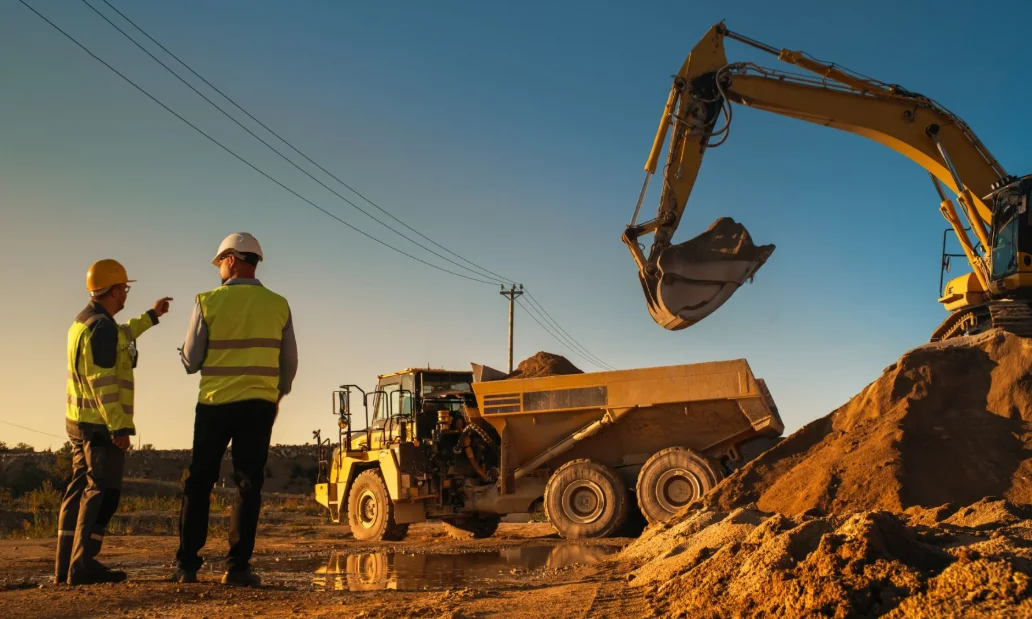
Mines are some of the hardest places to secure. Large mining sites can be thousands of hectares in remote country with expensive machinery, fuel, electrical infrastructure, processing equipment and mineral inventory spread across the property.
Security officers may be asked to monitor a building or entrance at urban properties. At mining operations, security teams patrol large outdoor areas, remote access roads, equipment yards, substations, fuel facilities and other critical zones.
Here mobile patrol services have a distinct advantage. Mobile security teams can continuously move across a mining property, creating a visible security presence while responding quickly to suspicious activity, safety incidents, and emergencies.
Security Risks at Remote Mining Sites
Mining facilities face several security threats because of their size, location, and high-value assets.
Equipment and Fuel Theft: Diesel fuel, copper cabling, heavy equipment components, tires, tools, and other valuable materials can attract organized theft. Unauthorized access to remote equipment yards or fuel storage areas can result in significant financial losses.
Sabotage and Unauthorized Access: Critical areas such as electrical substations, processing facilities, chemical storage locations, and tailings facilities must be protected from unauthorized entry. Tampering in these areas can create safety hazards, environmental problems, and costly operational disruptions.
Remote Location Challenges: Many mines are located far from urban centers and emergency services. Police or other emergency responders may require significant time to reach the site, making an on-site security presence essential for immediate response.
How Mobile Patrol Services Protect Mining Operations
Mobile patrol officers provide flexible security coverage across the entire property rather than remaining at a single fixed location.
Routine patrol duties could include the following:
- Inspection perimeter fencing and access gates
- Remote Area and Haul Road Monitoring
- Check fuel storage and power stations
- Inspecting equipment and laydown yards
- Verifying authorized personnel and vehicles
- Monitoring processing and storage areas
- Checking environmental and restricted zones
- Responding to alarms and suspicious activity
Patrol schedules can also be varied to prevent criminals from predicting security routines. Randomized patrols make it more difficult for unauthorized individuals to identify gaps in coverage.
Technology-Enhanced Mobile Patrols
Modern mobile patrol services combine trained security officers with technology to improve coverage and response times.
GPS tracking and electronic checkpoint systems allow security managers to verify where patrol officers have been and when specific areas were inspected. Digital reporting also provides an accurate record of incidents, inspections and security activities.
Improved security coverage can be achieved by deploying mobile surveillance towers, CCTV systems, thermal cameras and other monitoring technologies. Should any suspicious activity be detected, the nearest patrol unit can be dispatched immediately to investigate.
Thermal imaging can be especially helpful in remote mining sites where officers may be able to see heat signatures in dark areas, wooded areas or around equipment where visibility may be poor.
Securing Critical Mining Infrastructure
A full patrol strategy should include the different security zones in the mining operation.
Officers can monitor the site entrances and access roads for vehicles, personnel, permits and delivery activity.
Heavy machinery, tools, tires, fuel caps, locks and other valuable assets can be checked for signs of tampering by patrols at equipment yards.
Officers may check perimeter security, storage areas, equipment, and possible dangers around fuel depots and power facilities.
At processing sites, patrol teams can also oversee fire hazards, machinery areas and other critical infrastructure, and restricted access areas.
Special attention should be paid to tailings facilities, water treatment areas, chemical storage and explosive storage areas where unauthorized entry may have serious safety or environmental implications.
Emergency and Safety Procedures
The security of mining sites is tightly connected to the safety of workers. Mobile patrol officers may work in extreme weather, remote terrain and areas where there may be additional risks from wildlife.
Patrol vehicles can be equipped with communication equipment, GPS tracking, recovery gear and other tools for difficult environments. Lone worker monitoring systems can also help protect officers working alone by providing regular check-ins and emergency alerts.
Mobile patrol teams can be an asset to emergency response by identifying fires, suspicious activity, environmental issues, equipment problems or other hazards before they escalate.
Mobile Patrol Security – Western Canadian
For mining, oil and gas and other remote industrial operations, security is more than just posting a guard at an entrance. It takes mobility, technology, trained personnel and an understanding of the unique risks associated with large industrial properties.
G4U Security LTD is a mobile patrol and security services company in the rugged industrial environment of Edmonton, Alberta and Western Canada. Services include winter ready patrol vehicles, GPS enabled patrol monitoring, electronic reporting, trained security officers and mobile response 24 hours a day.
A well planned mobile patrol security service can help a mining company deter theft, protect valuable infrastructure, identify risks early and have a stronger security presence at remote assets.
For mining operators with large and remote sites, mobile patrols offer a pragmatic way to add visibility, flexibility, technology and rapid response as part of a comprehensive security strategy.